
Emergency Help
Heatstroke in Dogs in South Africa
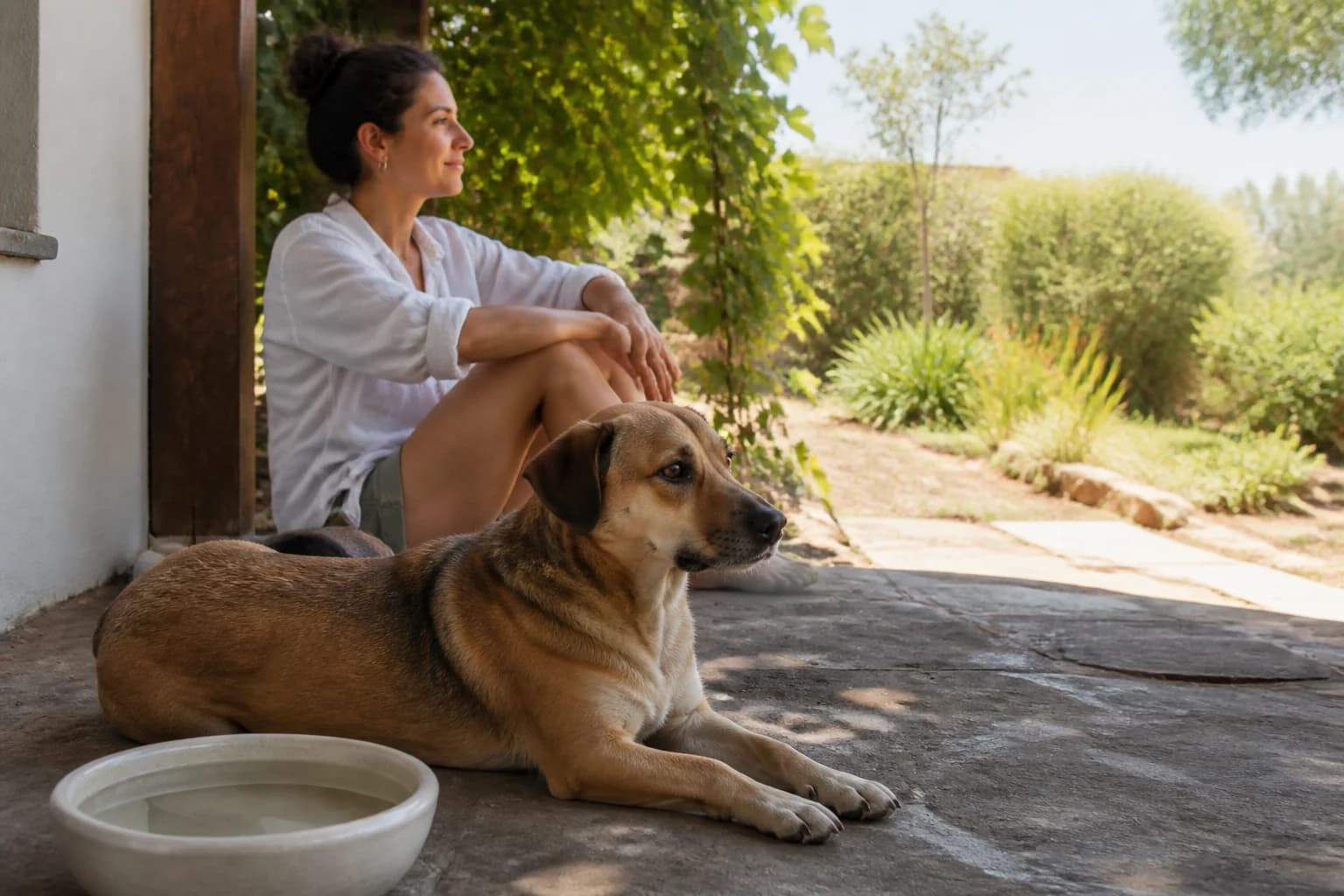
Heatstroke is a veterinary emergency. A dog can overheat in a parked vehicle, during exercise, on a beach or trail, in a poorly ventilated room, or in a hot garden even when water is nearby. If a dog is distressed, weak, confused, vomiting, collapsing, or showing other serious heat-related signs, move out of the heat, start cautious cooling, and contact a veterinarian immediately while arranging transport.
Quick takeaways
Why dogs overheat
When heat becomes an emergency
Cautious first steps while arranging veterinary care
Everyday situations and safer planning
| Situation | Risk | Safer planning |
|---|---|---|
| Parked vehicle | Temperatures can rise rapidly and ventilation is inadequate. | Do not leave the dog in the vehicle. Arrange a dog-safe destination, adult supervision, or leave the dog safely at home. |
| Midday pavement or townhouse paths | Radiant heat and hot surfaces add to body heat and may injure paws. | Walk early or late, choose shade and cooler surfaces, and shorten or cancel the outing when conditions are unsafe. |
| Beach, hike, or open garden | Direct sun, reflected heat, limited shade, excitement, and distance from help increase exposure. | Carry water, plan shade and turnaround points, use a lead where required, and stop well before fatigue. |
| Running, training, or working | Drive and concentration can mask fatigue while effort produces more heat. | Use brief sessions, frequent recovery, cool hours, conservative intensity, and individual veterinary guidance. |
| Poorly ventilated room or power interruption | Still air, humidity, and enclosed heat reduce cooling even without direct sun. | Provide safe cross-ventilation, cool resting areas, backup planning, supervision, and relocation if the space becomes unsafe. |
Dogs needing extra caution
Before a hot-weather walk or outing
- Check temperature, humidity, sun exposure, route shade, surface heat, wind, and the return journey.
- Choose an early or late time and identify a cool place where the dog can recover.
- Carry enough drinking water and a suitable bowl; do not rely on public taps or natural water sources.
- Assess the dog's breathing, energy, body condition, coat, health, age, fitness, and recent recovery.
- Use secure, comfortable walking equipment and plan a shorter turnaround point than the dog's maximum ability.
- Check beach, trail, estate, park, and public-control rules before leaving.
- Make sure transport will remain cool and that the dog will never wait in a parked vehicle.