
Dog Health
Biliary Tick Bite Fever in Dogs in South Africa
In South Africa, “biliary” or “tick bite fever” commonly refers to canine babesiosis, a tick-borne disease that can damage red blood cells and become serious quickly. Its signs overlap with many other illnesses, so a tick or one symptom cannot confirm it. A dog that is weak, unusually quiet, off food, pale at the gums, passing abnormal urine, collapsing, or getting worse rapidly needs prompt veterinary assessment.
Quick takeaways
What biliary means
How infection happens and why ticks matter
Possible symptoms and why they vary
| Warning sign | Why it matters | What the owner should do |
|---|---|---|
| Pale, white, grey, or yellow-tinged gums | May reflect anaemia, poor circulation, red-cell breakdown, or another serious problem. | Contact a vet promptly. If the dog is weak, breathing hard, or worsening, treat it as urgent. |
| Marked weakness, severe lethargy, or loss of appetite | These signs are nonspecific but can accompany significant illness and may worsen quickly. | Phone the clinic, describe the timeline and tick exposure, and follow its urgency advice. |
| Dark, orange, or red-brown urine | Abnormal urine can occur with red-cell damage or other urinary, liver, muscle, and systemic problems. | Arrange urgent veterinary assessment and, if practical, take a photo or fresh sample only if the clinic requests it. |
| Collapse, breathing difficulty, confusion, seizures, or inability to stand | These can indicate a life-threatening complication or a different emergency. | Go to an emergency veterinary service immediately and phone ahead while someone else drives. |
| Rapid deterioration after possible tick exposure | A dog can become critically ill even when the first signs seemed mild. | Do not wait for another symptom or for the next routine appointment. |
When urgent care cannot wait
Why a vet examination and testing are needed
Related reading
What to tell your vet
- When the weakness, appetite change, feverish behaviour, gum change, vomiting, or urine change began.
- Any ticks found recently, where they were attached, and likely exposure from walks, gardens, farms, boarding, travel, or other dogs.
- The tick-prevention product, weight band, last application or dose date, and whether any doses were late or missed.
- Your dog's age, current weight if known, medical conditions, previous biliary episodes, and all medicines or supplements.
- Changes in drinking, urination, stool, breathing, movement, alertness, and gum or eye colour.
- Relevant photos or short videos, vaccine and medical records, product packaging, and insurance details if these are easy to take.
What not to do
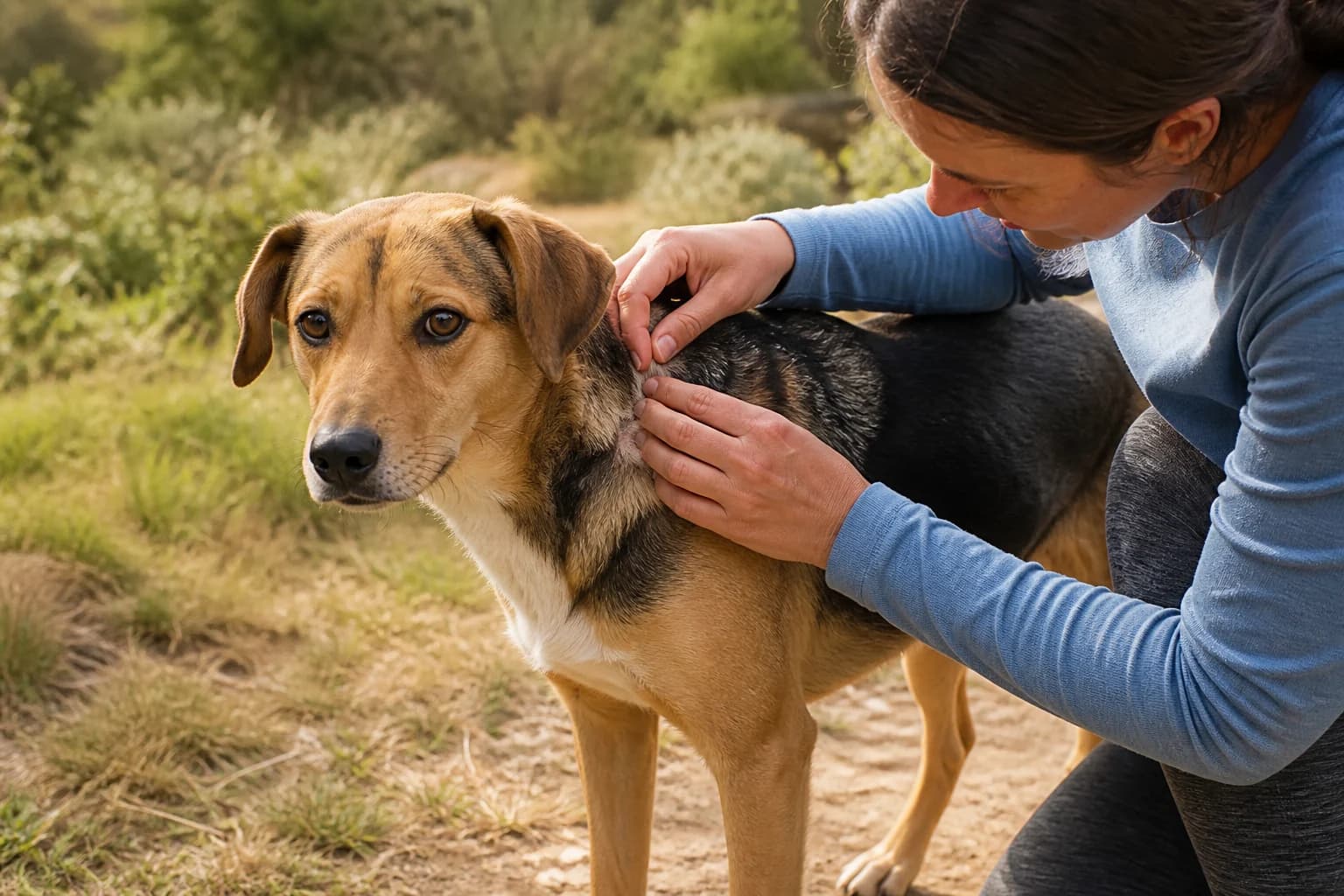
Tick checks and prevention planning
Related reading
Recovery and follow-up questions
- What exactly was diagnosed, and were any complications found?
- Which changes should happen first, and over what general timeframe?
- Which warning signs require an immediate return?
- When are repeat blood tests or examinations needed?
- How should food, water, rest, exercise, and tick prevention be managed during recovery?