
Dog Health
Toxic Foods for Dogs in South African Homes
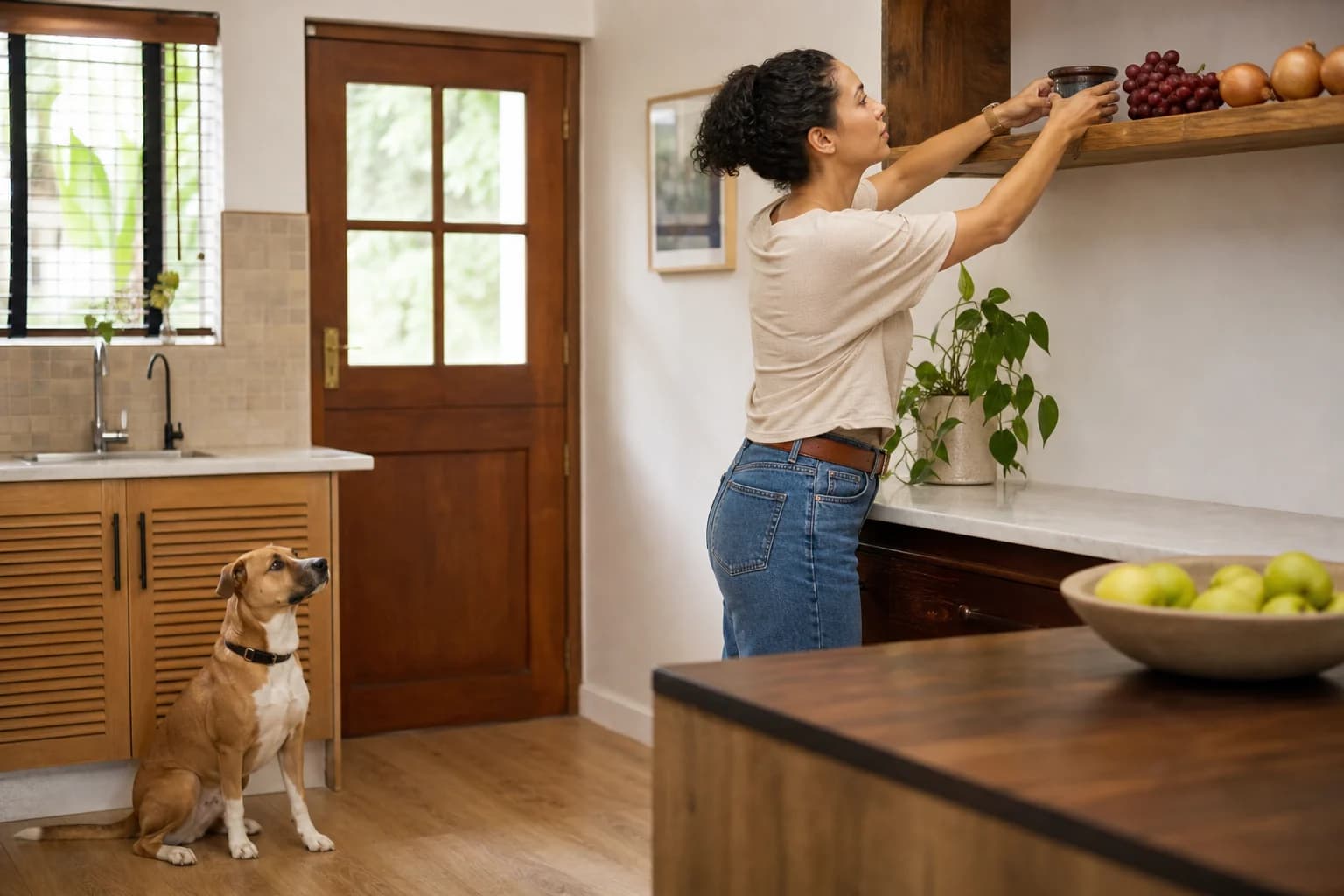
An ordinary kitchen, braai, handbag, child's snack, visitor's plate, or unsecured bin can expose a dog to food that is toxic or physically dangerous. The risk depends on the substance, amount, dog, and timing, so do not use an online dose calculation to decide that a known exposure is safe. Remove access, keep the packaging, and contact a veterinarian promptly.
Quick takeaways
Why everyday foods can be dangerous
Common food and household risks
| Food or substance | Why it can be dangerous | What to do |
|---|---|---|
| Chocolate and cocoa | Methylxanthines can affect the heart and nervous system; darker and concentrated products may present greater risk. | Keep the wrapper, estimate the type and amount, and phone a vet promptly. |
| Xylitol or birch sugar | This sweetener in some gum, sweets, baked goods, supplements, and nut butters can cause severe low blood sugar and liver injury in dogs. | Treat any known exposure as urgent and contact a vet immediately. |
| Grapes, raisins, sultanas, currants, and fruitcake | Kidney injury can occur unpredictably, and a safe amount cannot be assumed at home. | Call a vet without waiting for symptoms. |
| Onions, garlic, leeks, and chives | Allium foods can damage red blood cells; concentrated powders and repeated exposure also matter. | Identify the ingredients and quantity and ask a vet for advice. |
| Alcohol and fermenting dough | Alcohol can depress the nervous system and affect breathing, temperature, and blood sugar. | Prevent further access and seek urgent veterinary advice. |
| Coffee, tea, energy drinks, caffeine tablets, and coffee grounds | Caffeine can affect the heart and nervous system. | Keep the product details and contact a vet promptly. |
| Macadamia nuts | Dogs may develop weakness, tremors, vomiting, pain, or other signs. | Phone a vet with the estimated amount and time. |
| Mouldy food or compost | Mould toxins and mixed spoiled foods may cause vomiting, tremors, seizures, or other serious illness. | Keep the dog away from the source and seek urgent veterinary advice. |
| Cooked bones and skewers | They can splinter, lodge, puncture, obstruct, damage teeth, or create choking risk. | Do not pull a deeply lodged object or induce vomiting; contact a vet. |
| Very rich or fatty leftovers | They can cause severe gastrointestinal upset and may contribute to pancreatitis in susceptible dogs. | Ask a vet about repeated vomiting, pain, marked lethargy, or a known large exposure. |
Braais, holidays, visitors, and children
If your dog ate something dangerous
- Remove the remaining food or substance and keep other pets and children away.
- Phone your veterinarian or an emergency veterinary service promptly.
- Take the product packaging, ingredient list, recipe, or a clear photograph.
- Estimate what was eaten, when it happened, and whether more than one dog had access, without delaying the call.
- Provide the dog's current weight if known, age, medical conditions, medicines, and recent symptoms.
- Report vomiting, diarrhoea, drooling, weakness, restlessness, tremors, seizures, pain, breathing changes, or collapse.
- Follow the veterinarian's instructions and take the packaging to the clinic if asked.
What not to do
Kitchen and braai prevention checklist
- Store chocolate, grapes, raisins, onions, garlic, alcohol, caffeine products, macadamias, and sugar-free products in closed cupboards or high secure storage.
- Check ingredient labels for xylitol or birch sugar before sharing spreads, baked goods, supplements, or dental products.
- Use a lidded, dog-resistant bin and remove braai bones, skewers, foil, and fatty scraps promptly.
- Keep handbags, shopping bags, lunchboxes, medication, and visitor snacks off floors and low furniture.
- Use gates or supervision for counter-surfing dogs and during cooking, parties, holidays, and children's meals.
- Secure compost, mouldy waste, fallen fruit, and outdoor bins.
- Make an owner-approved treat rule clear to children, domestic workers, visitors, and pet sitters.